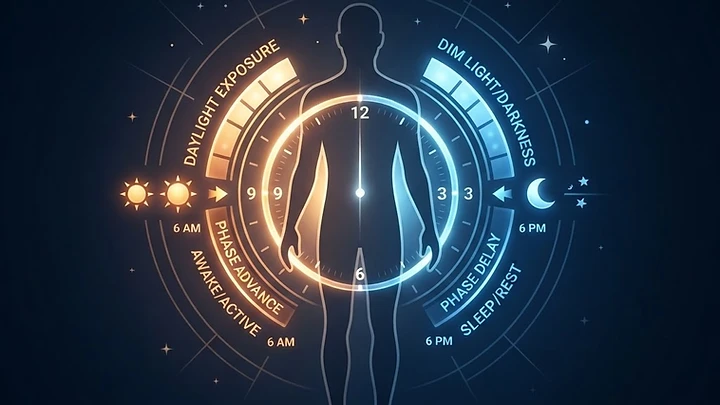
For the millions of individuals engaged in rotating shift work, the challenge is not just staying awake; it is managing a fundamental conflict between a social world operating on a diurnal schedule and a biological system that is hardwired for light-dark periodicity. As a neurologist and sleep medicine specialist, I recognize that shift work is more than a professional commitment—it is a physiological juggling act. When we force our bodies to function against our internal circadian rhythm, we increase our risk for metabolic, cardiovascular, and cognitive impairment. However, by understanding the mechanics of circadian biology, we can implement evidence-based strategies to protect your health and optimize your alertness.
The Biology of the Circadian Mismatch
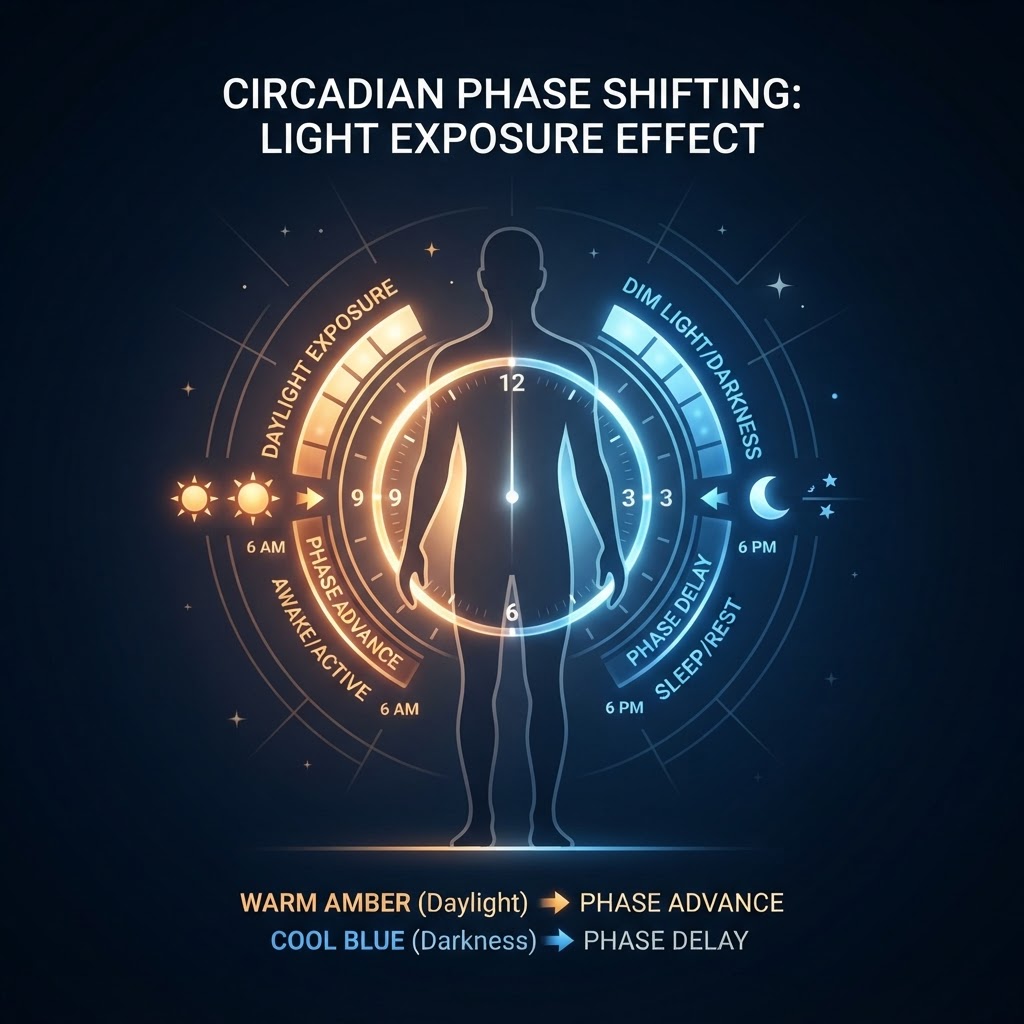
Our circadian rhythm is anchored by the suprachiasmatic nucleus (SCN), a cluster of neurons in the hypothalamus that acts as our master biological clock. It relies on environmental cues, or zeitgebers, to synchronize our internal processes with the external day-night cycle. Light is the most potent zeitgeber, signaling to the brain to suppress melatonin production and promote wakefulness.
The goal of shift work management is not to achieve perfect synchronization, which is often impossible, but to minimize the amplitude of the circadian disruption through strategic timing of light, temperature, and nutrition.
When you rotate shifts, your SCN is effectively experiencing 'social jet lag' on a recurring basis. This misalignment leads to fragmented sleep, increased sleepiness during active hours, and long-term consequences on mood and metabolic health. Understanding that this is a systemic biological mismatch, rather than a lack of willpower, is the first step toward effective management.
Strategic Light Management
Light is your primary tool for phase-shifting your internal clock. To shift your rhythm toward a night-oriented schedule, strategic light exposure is essential. If you are working night shifts, use bright, full-spectrum light (at least 10,000 lux) during the first half of your shift to suppress melatonin and reinforce wakefulness. Conversely, when leaving work in the morning, wear blue-light-blocking glasses to protect your transition into sleep.
- Pre-shift: Seek natural sunlight during the afternoon before a night shift.
- Mid-shift: Maintain high light levels in your workspace.
- Post-shift: Limit blue light exposure during your commute home; use amber-tinted glasses to simulate twilight and encourage melatonin onset.
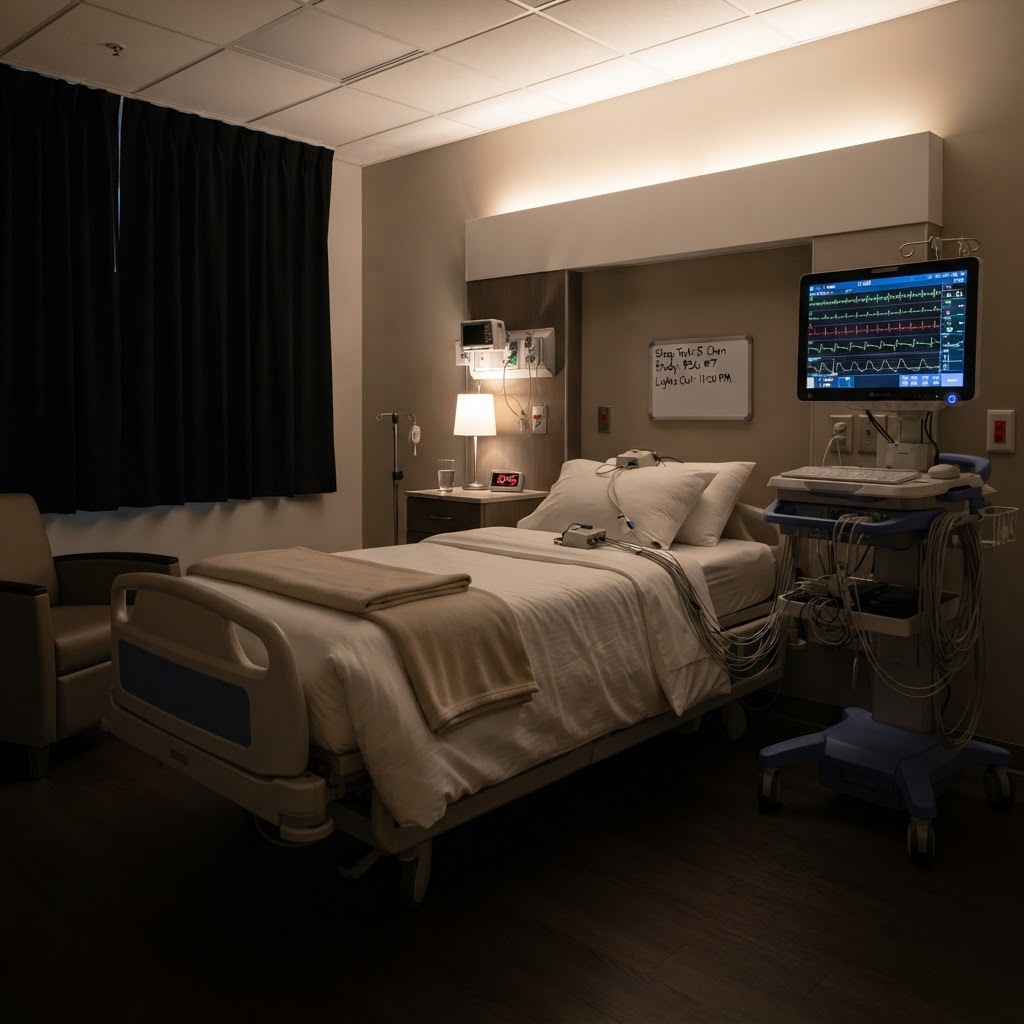
- At Home: Use blackout curtains to ensure your bedroom is a true sanctuary for daytime sleep.
Optimizing Sleep Hygiene and Napping
When working rotating shifts, sleep hygiene cannot be an afterthought; it must be a clinical priority. Because your sleep window may vary, you must create an environment that minimizes sensory disruption. Use white noise machines to dampen neighborhood sounds and ensure your bedroom temperature is cool, ideally around 65-68 degrees Fahrenheit.
For those struggling with alertness during a shift, the prophylactic nap is a powerful tool. A 20-minute nap taken before your shift can significantly enhance cognitive performance. However, be cautious with longer naps, as they may lead to sleep inertia—that groggy, disoriented feeling upon waking—and can potentially interfere with your ability to sleep soundly once you return home.
A Clinical Approach to Long-term Wellness
It is important to remember that individuals differ in their circadian flexibility. Some 'night owls' may adapt more readily to night work than 'morning larks.' If you find that your sleep quality remains chronically poor, or if you experience significant depression, anxiety, or physical health changes, it is vital to consult with a board-certified sleep specialist. We can screen for underlying sleep disorders—such as Shift Work Disorder, sleep apnea, or insomnia—that may be exacerbated by your schedule.
You are managing a complex biological system under non-ideal conditions. By treating your sleep as a cornerstone of your medical health, rather than a luxury, you can maintain your professional performance without sacrificing your long-term vitality.