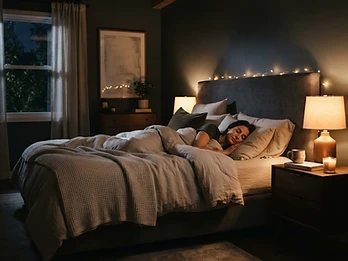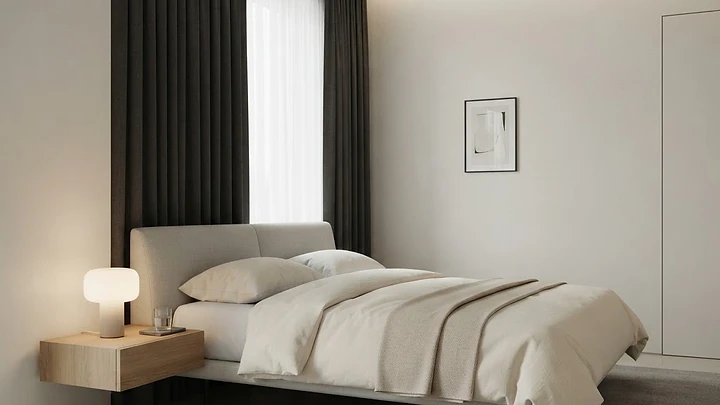
In my clinical practice, I often remind patients that the brain does not simply 'shut off' when we lay down. Instead, sleep is a complex, active biological state essential for memory consolidation, synaptic pruning, and metabolic clearance of toxic proteins. Your bedroom is more than a room; it is an extension of your neurological health. By curating a space that respects our innate circadian rhythms, we can significantly reduce sleep latency and improve the quality of restorative sleep.
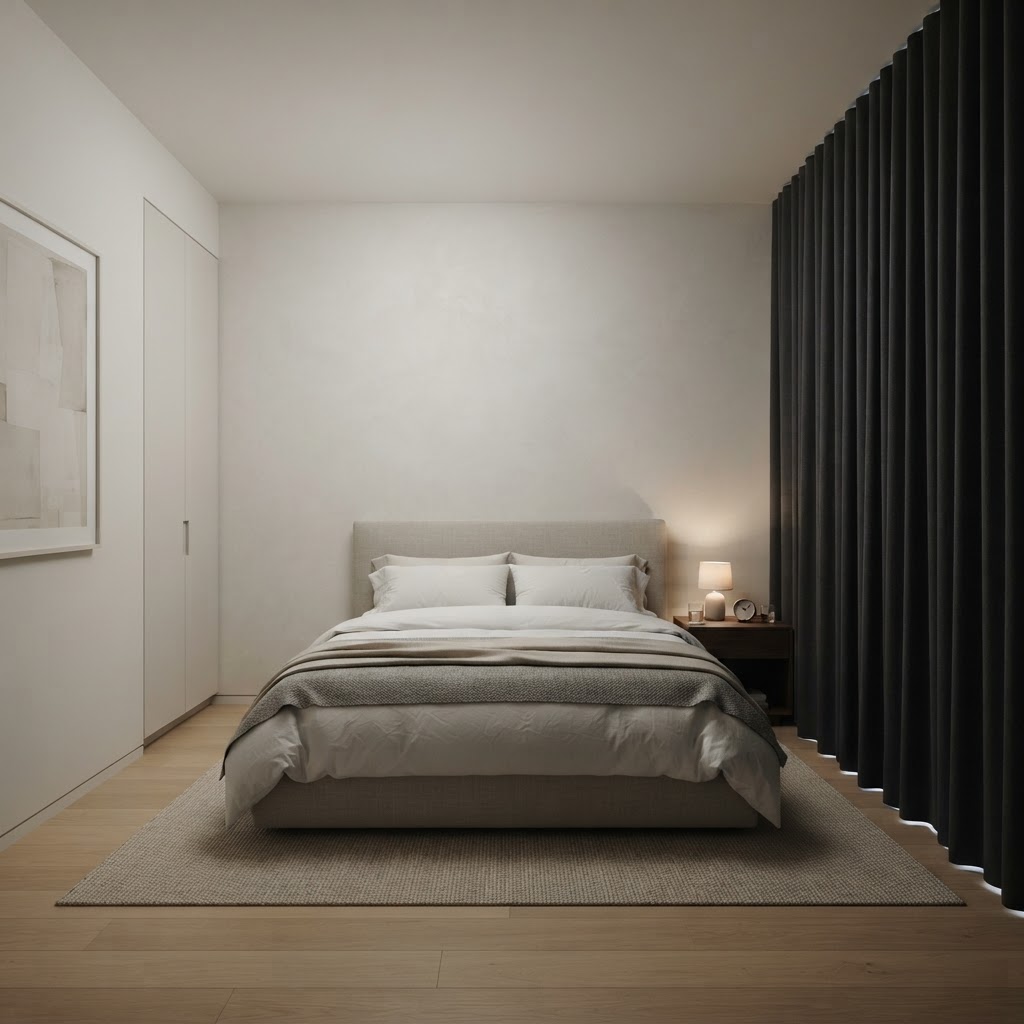
The Biology of Light and Temperature
Our biological clocks, governed by the suprachiasmatic nucleus (SCN) in the hypothalamus, are exquisitely sensitive to environmental cues. Light is the primary zeitgeber—or time-giver—for our internal systems. Exposure to blue-spectrum light, such as that emitted by smartphones or bright overhead LEDs, suppresses the production of melatonin, the hormone that signals the onset of sleep.
- Total Darkness: Utilize blackout curtains or high-quality eye masks to achieve near-total darkness, which facilitates melatonin release.
- Temperature Regulation: The human core body temperature must drop by approximately 1 to 2 degrees Fahrenheit to initiate and sustain deep sleep. Keep your bedroom between 60 and 67 degrees Fahrenheit (15-19 degrees Celsius) for optimal thermoregulation.
Sleep is not a luxury; it is a fundamental pillar of neurological resilience. Designing your bedroom to support your biological needs is an act of preventative medicine.
Minimizing Auditory and Sensory Distraction
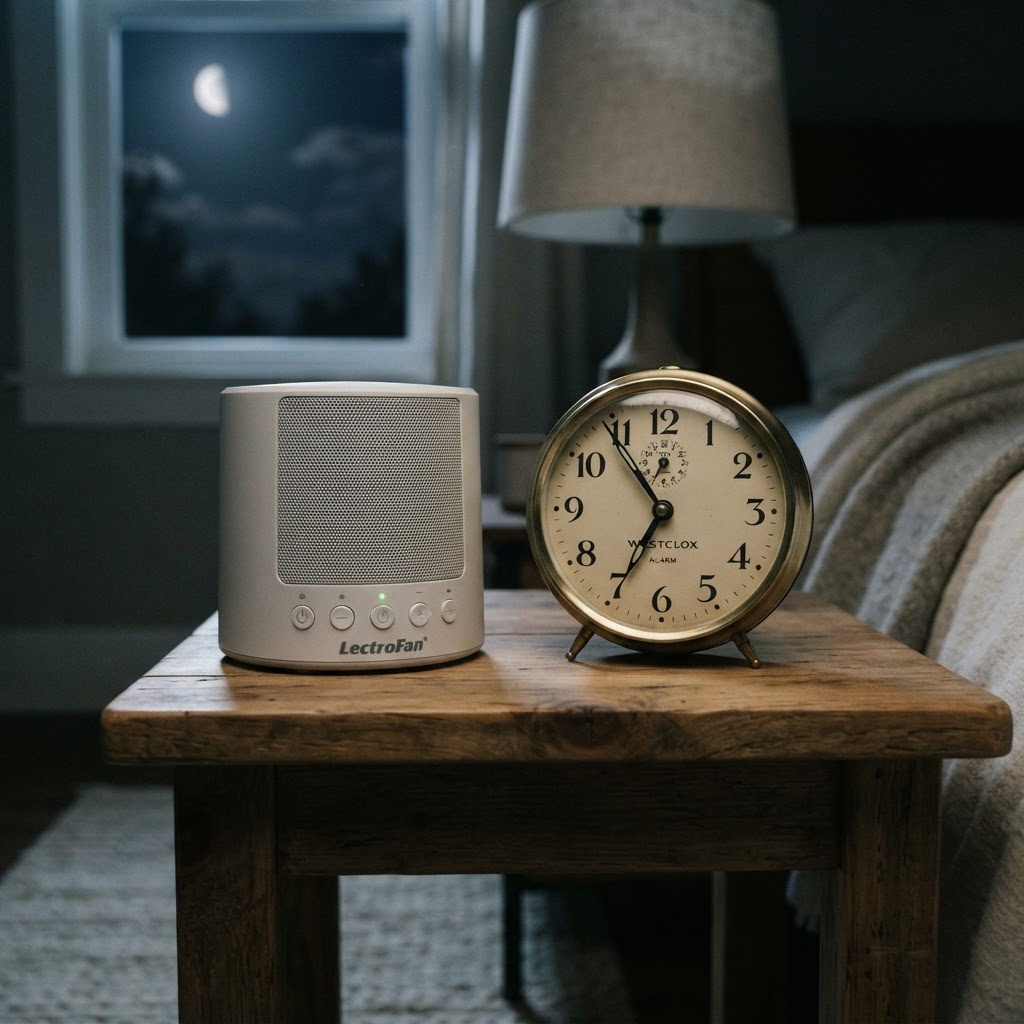
Sound is a common disruptor of sleep architecture, often triggering micro-arousals that prevent us from entering the deeper stages of non-REM (NREM) sleep. Even if you do not 'wake up' in response to a noise, your brain may shift from a restorative deep sleep stage to a lighter stage, compromising your recovery.
If you live in an urban environment or an area with ambient noise, consider the use of white or pink noise machines. Unlike fluctuating sounds, consistent white noise creates a 'sound blanket' that masks unpredictable spikes in volume, helping to keep your sleep cycles continuous and stable.
The Bedroom as a Behavioral Trigger
Beyond light and sound, we must consider the psychological association we have with our sleep space. In behavioral sleep medicine, we utilize stimulus control therapy to ensure the brain associates the bed specifically with sleep. When you use your bed for answering emails, watching television, or stressful ruminations, you weaken the neurological link between your bed and restorative rest.
Create a dedicated 'wind-down' zone outside of the bed. If you cannot fall asleep after approximately 20 minutes, leave the bedroom and perform a quiet, non-stimulating activity—such as reading a physical book under low light—until you feel sleepy again. By protecting the bedroom as a place reserved solely for sleep, you retrain your brain to shift into a resting state more efficiently.
If you continue to struggle with chronic insomnia or wake up feeling unrefreshed despite optimizing your environment, please reach out to a board-certified sleep specialist. Underlying conditions such as sleep apnea or restless leg syndrome may require clinical evaluation beyond environmental adjustments.