
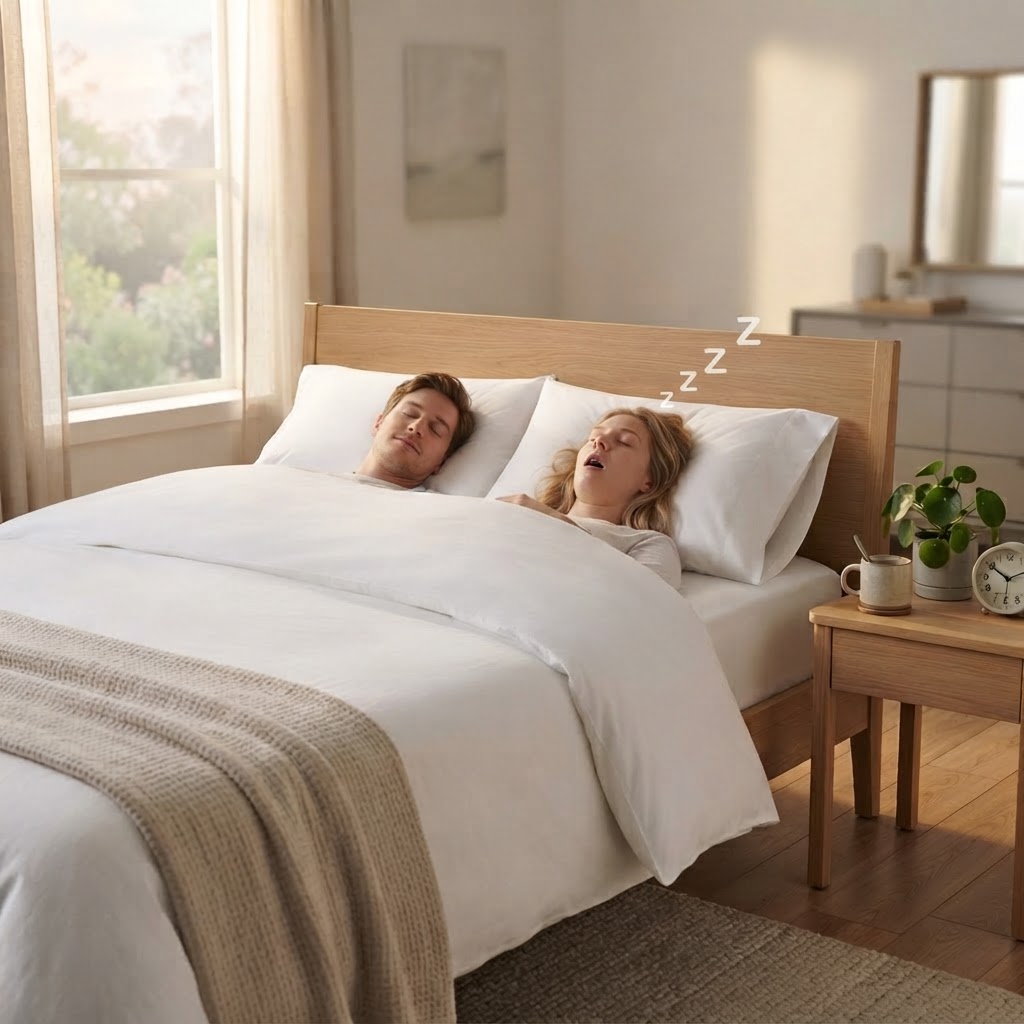
We often treat snoring as a punchline—a source of marital friction or a subject for late-night comedy. However, as a neurologist and sleep medicine specialist, I view chronic snoring through a very different lens. It is not merely an inconvenience; it is often a biological signal that the airway is struggling to remain open during sleep. When your partner snores, your own sleep architecture is likely being fragmented, leading to a ripple effect of health consequences that impact both of your long-term wellbeing.
The Mechanics of the Noisy Airway
Snoring occurs when the structures of the upper airway—the soft palate, uvula, and tongue—vibrate as air struggles to pass through a narrowed or partially obstructed space. Think of it like a wind instrument: as the airway narrows, the velocity of airflow increases, causing the soft tissues to oscillate, creating that characteristic sound. While occasional, mild snoring might be benign, persistent, loud snoring is frequently a hallmark of Obstructive Sleep Apnea (OSA).
Snoring is the body's way of telling us that the airway is under duress. It is an invitation to look closer at what happens to the body when the lights go out.
When OSA is present, that narrowing becomes a full collapse. The body experiences repeated micro-arousals as it gasps for air, effectively hitting the 'reset' button on your sleep cycles throughout the night. This prevents you from reaching the restorative stages of deep, slow-wave sleep and REM sleep, which are vital for cognitive function, emotional regulation, and cardiovascular health.
Recognizing the Red Flags
Distinguishing between 'benign' snoring and a serious medical concern is critical. If you are regularly interrupted by your partner's snoring, pay attention to these clinical red flags:
- Witnessed Apneas: You notice your partner actually stops breathing for several seconds, followed by a loud snort or gasp.
- Daytime Somnolence: Despite being in bed for 7-8 hours, your partner remains chronically exhausted, irritable, or struggles with focus.
- Morning Symptoms: Frequent morning headaches or a dry, scratchy throat upon waking.
- Increased Blood Pressure: Unexplained spikes in heart rate or blood pressure that do not respond well to lifestyle changes alone.
If these symptoms are present, it is time to move beyond earplugs and white noise machines and seek a formal evaluation with a sleep medicine specialist.
Empowering Solutions for Better Sleep
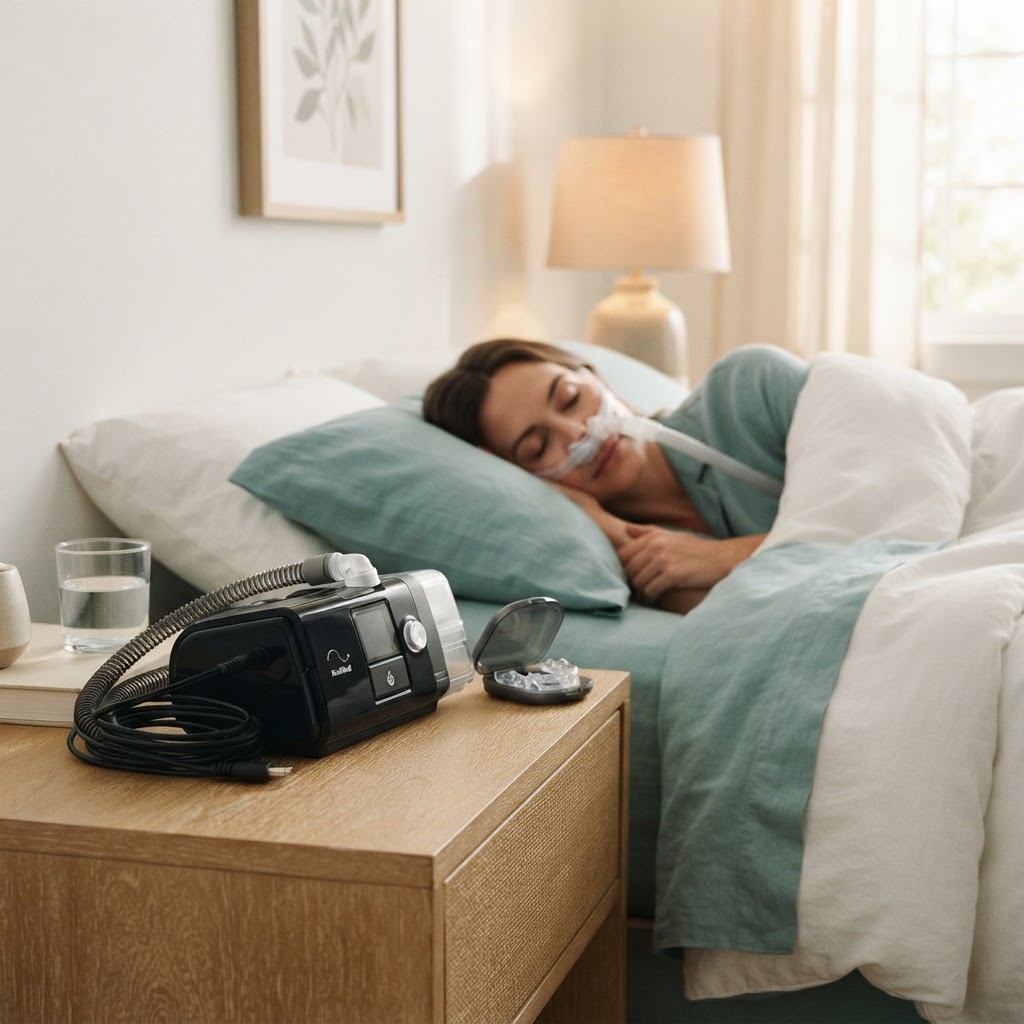
The good news is that we live in an era of highly effective, personalized sleep medicine. Addressing snoring is not a one-size-fits-all approach. For many, a comprehensive evaluation—which may include a home sleep apnea test (HSAT) or an in-lab polysomnogram—is the necessary first step. Clinical interventions might include:
- Positional Therapy: Sometimes, snoring is exacerbated by sleeping on the back. Simple changes can yield significant improvements.
- Oral Appliance Therapy (OAT): For mild to moderate cases, a custom-fitted device can reposition the jaw to keep the airway open.
- CPAP Therapy: The 'Gold Standard' for moderate to severe OSA, continuous positive airway pressure ensures the airway remains patent throughout the night.
- Lifestyle and Anatomic Evaluation: Evaluating weight management, alcohol intake before bed, or anatomical obstructions like enlarged tonsils or deviated septums.
Restorative sleep is the foundation of health. Do not accept chronic fragmentation as your 'new normal.' By viewing snoring as a diagnostic opportunity rather than just a noise issue, you and your partner can take the steps necessary to safeguard your health and wake up feeling truly refreshed.