
It is a paradox many of my patients describe with frustration: you spend the entire day battling fatigue, yet the moment your head hits the pillow, your brain decides it is time to host a marathon of thoughts. This phenomenon, clinically referred to as hyperarousal, is a common hallmark of insomnia and other sleep disorders. Understanding that this is a physiological response, rather than a failure of willpower, is the first step toward reclaiming your nights.
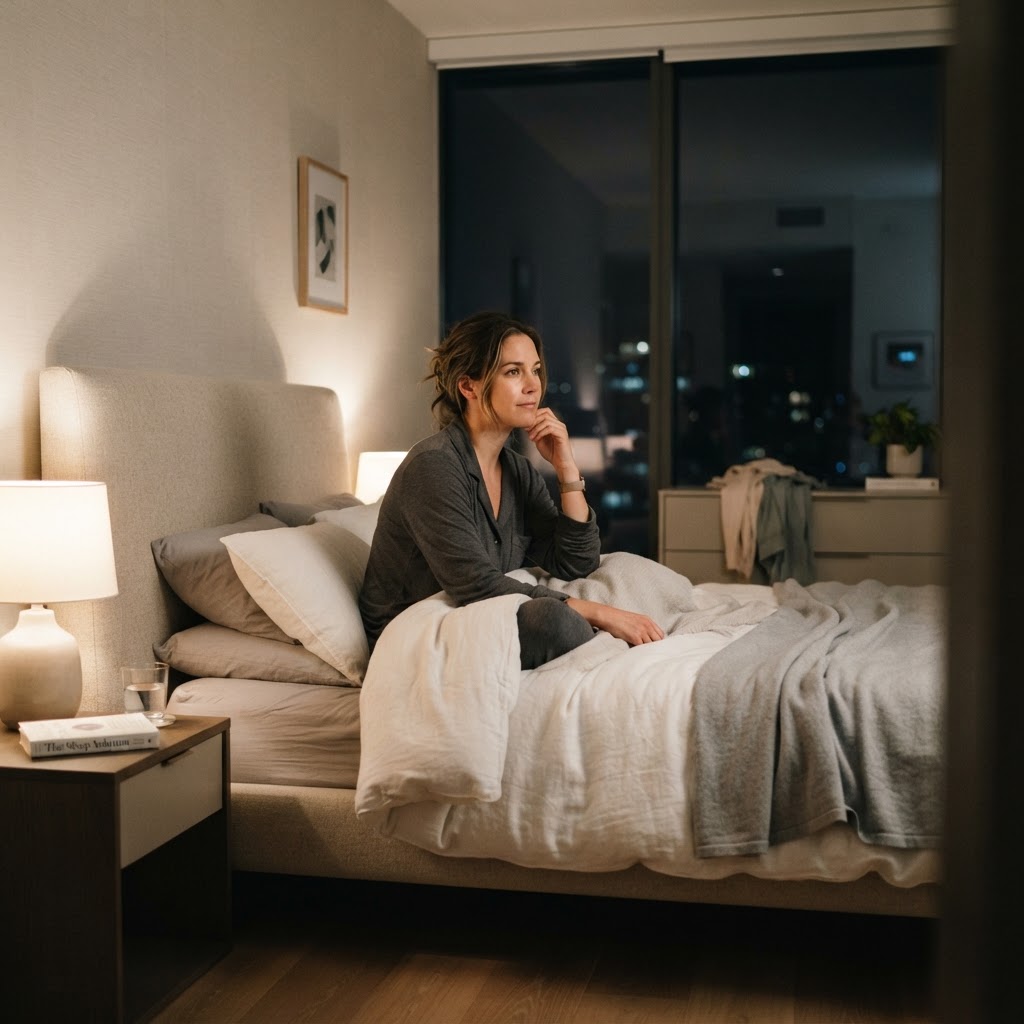
The Biology of Hyperarousal
When we prepare for sleep, our nervous system is intended to transition from a state of 'fight or flight' (sympathetic activation) to a state of 'rest and digest' (parasympathetic activation). In many individuals struggling with insomnia, this transition is inhibited by a persistent hyperarousal state. Your brain remains in a high-alert mode, marked by increased metabolic activity and elevated cortisol levels, even though you are physically exhausted.
The inability to 'switch off' is often a sign that your body's internal thermostat for relaxation has lost its calibration.
This state is often maintained by a feedback loop: you feel anxious about not sleeping, which releases more stress hormones, which further prevents the sleep onset process. This is the physiological trap of performance anxiety regarding sleep.
The Role of Cognitive Bedtime 'Loops'
Beyond physiology, we must address the psychological component of nighttime wakefulness. Over time, your brain begins to associate the bed not with rest, but with the activity of being awake. This is a phenomenon known as conditioned arousal. If you regularly use your bed to check emails, ruminate on tomorrow's to-do list, or watch television, your brain creates a neurological link between the bed and a state of alertness.
Consider these habits to break the cycle:
- Stimulus Control: If you are not asleep within 20 minutes, leave the bedroom. Do something quiet and low-light until you feel drowsy again.
- The 'Worry Journal': Dedicate 15 minutes in the late afternoon to write down your stressors. This 'offloads' the cognitive burden so your brain doesn't feel the need to rehearse these thoughts at 11 PM.
- Sensory Down-regulation: Limit blue light exposure at least 60 minutes before bed to allow your endogenous melatonin levels to rise naturally.
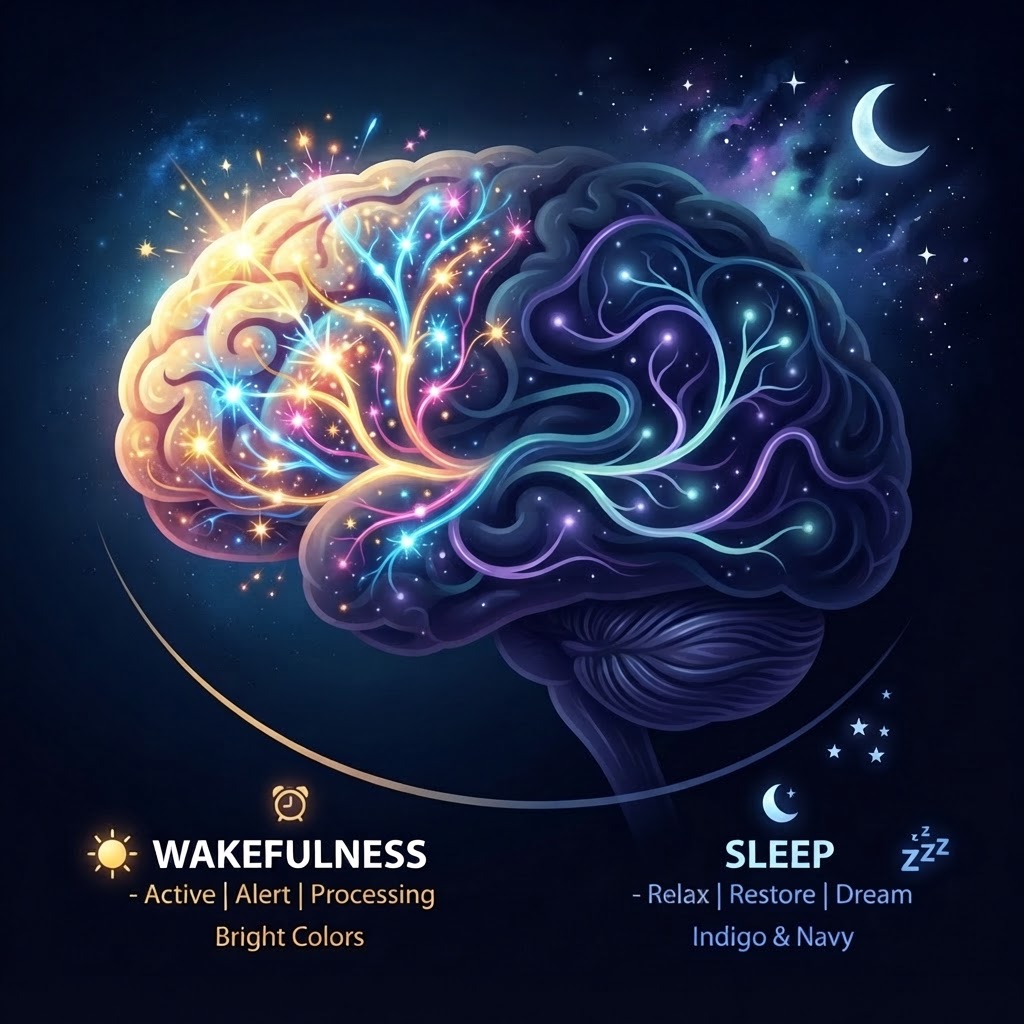
When to Consult a Specialist
While behavioral adjustments are powerful, they are not always sufficient. If you have been struggling with consistent sleep disturbances for more than three months, it is time to move beyond self-help. Persistent insomnia can be a symptom of underlying conditions such as obstructive sleep apnea, restless legs syndrome, or circadian rhythm disorders. A board-certified sleep specialist can help you determine if you require a formal sleep study or evidence-based treatments like Cognitive Behavioral Therapy for Insomnia (CBT-I). Please remember: you do not have to navigate this journey alone. Quality sleep is a foundational pillar of your neurological health, and seeking help is a profound act of self-care.