
As a neurologist specializing in sleep medicine, I often tell parents that sleep is the foundation upon which every other aspect of child development is built. From emotional regulation and cognitive function to physical growth and immune health, the quality of a child's rest dictates their ability to thrive during their waking hours. Establishing healthy sleep hygiene is one of the most significant gifts you can provide your child, yet it remains one of the most common challenges modern families face.
The Biological Clock: Understanding Sleep Architecture
Children are not merely 'small adults' when it comes to sleep. Their circadian rhythms and sleep cycles are highly sensitive to environmental cues. Consistent timing is the cornerstone of pediatric sleep hygiene. Consistency is not just about convenience; it is about biology. By keeping a regular schedule—including on weekends—we reinforce the child’s internal biological clock, making it easier for them to fall asleep and wake up naturally.
Consistent sleep patterns act as a biological anchor, signaling to the brain that it is time to shift from active engagement to restorative recovery.
Creating a Sanctuary for Rest
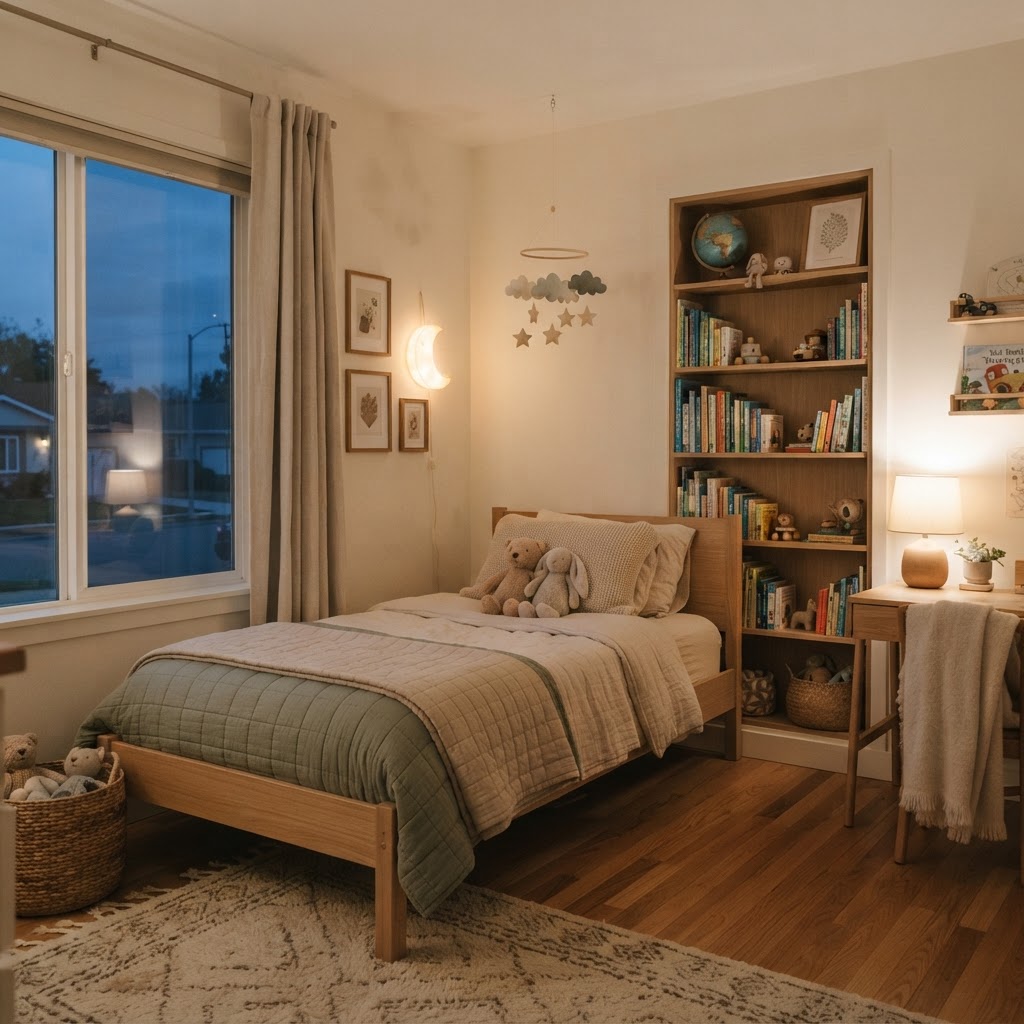
The bedroom environment serves as a sensory sanctuary. To facilitate sleep, we must minimize physiological arousal before bedtime. Consider these evidence-based adjustments to your child’s sleep space:
- Light Control: Use blackout curtains to keep the room dark, which supports the natural production of melatonin.
- Temperature Regulation: A cooler room, typically between 65-70 degrees Fahrenheit, is generally preferred for optimal sleep.
- Sensory Minimalism: Reduce clutter and minimize stimulating electronics that emit blue light, which can suppress melatonin secretion and delay sleep onset.
The Power of the Bedtime Ritual
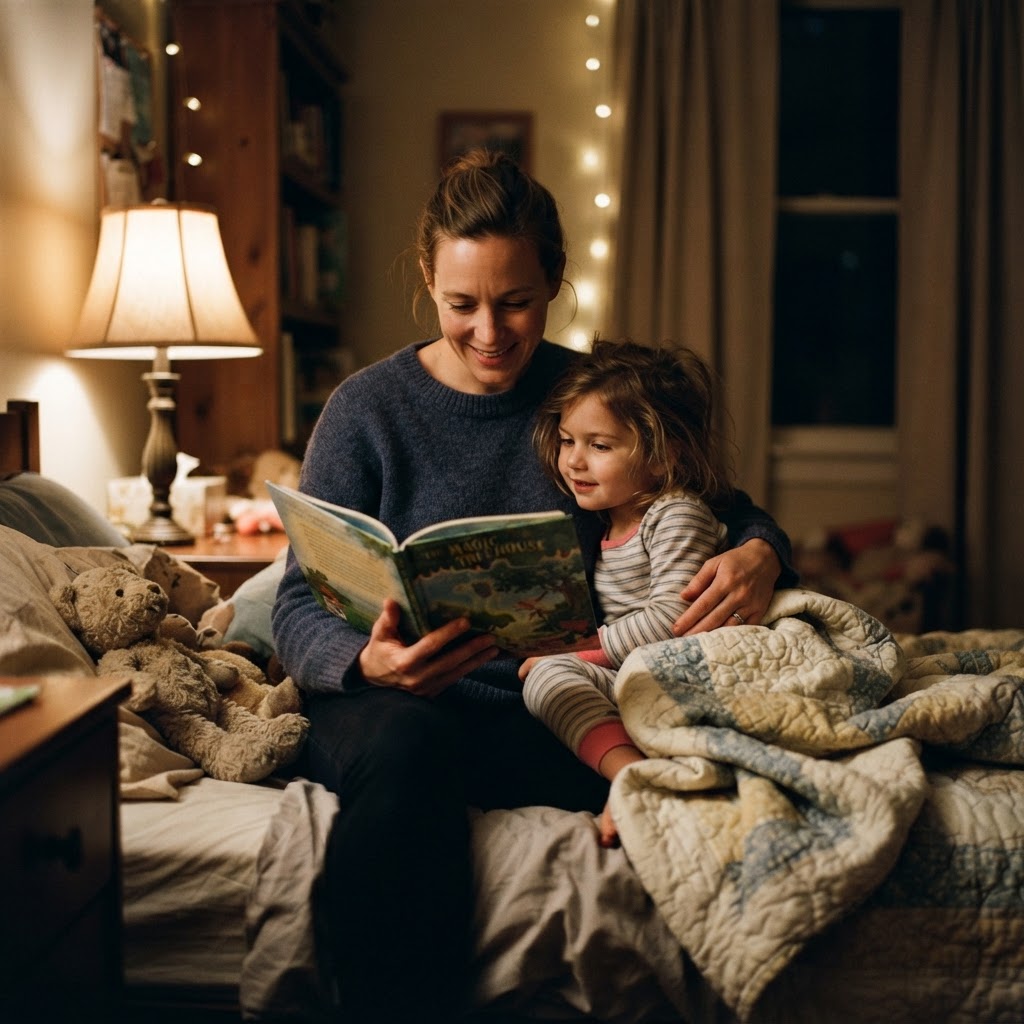
Transitioning from the high-energy demands of the day to the quiet state of sleep requires a 'winding down' period. I recommend a 30-minute routine that is calm, predictable, and devoid of screens. This ritual helps the brain associate specific activities—such as a warm bath, reading a book, or quiet conversation—with the inevitable approach of sleep. By following the same sequence every night, you lower the child’s physiological arousal levels, making the transition to bed less anxiety-provoking and more autonomous.
When to Seek Professional Guidance
While healthy hygiene habits are transformative, they are not a substitute for medical evaluation when underlying pathology exists. If your child struggles with loud snoring, frequent awakenings despite a solid routine, excessive daytime sleepiness, or persistent behavioral challenges surrounding bedtime, it is time to consult a board-certified sleep specialist. Not all sleep issues are behavioral; some may be physiological, requiring specific diagnostic assessment. If you are concerned, please reach out to your pediatrician or a sleep medicine specialist to ensure your child’s unique needs are being met.