All Sleep Concerns
Sleep Concern

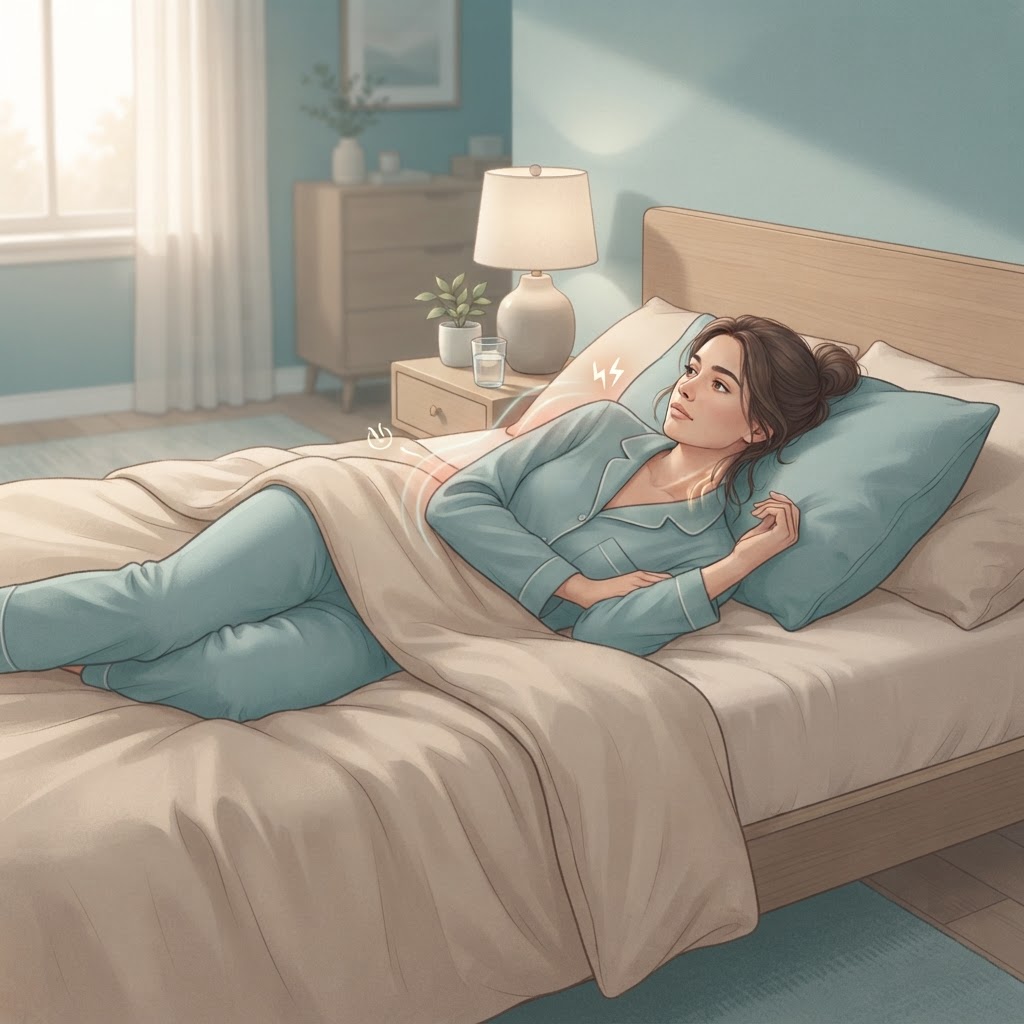
Pain won't let me sleep

Chronic pain that fragments sleep and worsens through the night.

Overview

Chronic pain and poor sleep form a vicious cycle: pain disrupts sleep, and poor sleep lowers pain tolerance, making the next day's pain worse. Breaking the cycle means addressing both the pain and the sleep, because treating only one often leaves the other untouched. Sleep is not a luxury for people in pain — it is part of the treatment.

Common Causes

  • Chronic pain conditions — arthritis, fibromyalgia, neuropathy, back pain — that intensify at night.
  • Pain-driven micro-arousals that fragment sleep architecture without full waking.
  • Inability to find a comfortable position, leading to frequent turning.
  • Poor sleep lowering pain tolerance and amplifying the next day's pain.
  • Pain medications that may disrupt sleep architecture.

What You May Be Experiencing

  • Difficulty falling asleep due to pain.
  • Frequent night waking from pain or the need to shift position.
  • Unrefreshing sleep and daytime fatigue.
  • Pain that feels worse after a poor night, in a self-reinforcing cycle.
  • Reduced function and mood from the combination of pain and sleep loss.

Dr. Morse's Approach

Dr. Morse treats the pain-sleep cycle as a single, interconnected problem. Her approach optimizes pain management (in partnership with the treating clinicians), uses sleep positioning and environmental strategies to reduce pain-driven waking, and applies CBT-I principles adapted for chronic pain. She is attentive to the bidirectional relationship — improving sleep genuinely reduces pain, and addressing pain genuinely improves sleep — and she treats both as legitimate targets.

Treatment Options

Behavioral

CBT-I adapted for chronic pain; sleep positioning; and pacing activity through the day.

Lifestyle

A supportive mattress and pillows, temperature comfort, and a calming wind-down.

Medical

Optimized pain management in partnership with treating clinicians; sleep support when appropriate.


Your Night-time Routine

A practical, step-by-step wind-down built around this concern's specific drivers. Follow it consistently for two to three weeks — rhythm, not perfection, is what resets sleep.

  1. 1
    7:00 PM

    Gentle stretching or heat therapy to ease pain before bed.

  2. 2
    8:00 PM

    Take pain medication as prescribed and timed to support overnight comfort.

  3. 3
    8:30 PM

    A calming wind-down; optimize positioning with pillows for your specific pain area.

  4. 4
    9:30 PM

    Lights out; if pain wakes you, a brief repositioning or comfort measure, then return to sleep.

  5. 5
    Daytime

    Protect consistent sleep and gentle activity — both reduce pain and improve sleep over time.

Take this guide home

A printable PDF of this concern's full overview, routine, and treatment options.


Related Articles


When to Seek Help

If pain is chronically disrupting sleep, or if sleep and pain are worsening together, seek coordinated care. Addressing both — rather than either in isolation — is the most effective path to relief.

Ready for personalized guidance?

Dr. Morse offers one-on-one and group coaching to help you move from understanding your sleep concern to changing it. Share what you're experiencing and she'll be in touch.

Request a Coaching Consultation
DAMMGoodSleep

Evidence-based sleep and circadian health and wellness delivered by Dr. Anne Marie Morse. Restorative protocols, expert guidance, and curated resources that power your day and night. Because DAMM Good Sleep is always in style!

Credentials

  • Board Certified in Sleep Medicine
  • Fellow, American Academy of Sleep Medicine
  • Diplomate, American Board of Neurology
  • 15+ Years Clinical Practice

Contact

  • contact@dammgoodsleep.com
  • (570) 290-7389
  • Pennsylvania

© 2026 DAMMGoodSleep. All rights reserved.