The transition through menopause is a significant biological milestone, yet for many, it arrives with a formidable companion: disrupted sleep. As a sleep medicine specialist, I often see patients who describe their nights as a relentless cycle of waking drenched in perspiration, followed by the frustration of staring at the ceiling in the early hours. These vasomotor symptoms—hot flashes and night sweats—are not merely an annoyance; they are a physiological disruption that impacts your cognitive function, mood, and long-term health.
Understanding the Physiological Shift
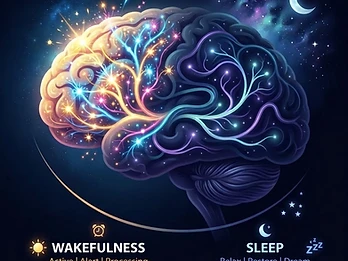
The primary driver behind these nocturnal disturbances is the fluctuation and eventual decline of estrogen. Estrogen plays a vital role in regulating the hypothalamus, our body’s internal thermostat. When levels fluctuate, the hypothalamus becomes hypersensitive to even minor changes in core body temperature, triggering the cascade of heat dissipation we recognize as a hot flash. When this happens during the sleep cycle, it can shift your brain from deep, restorative sleep into lighter stages or full wakefulness, preventing you from achieving the architecture necessary for true recovery.
Sleep is not a luxury; it is the fundamental infrastructure upon which your physical and emotional health is built, especially during the hormonal volatility of midlife.
Strategic Approaches to Environmental Cooling
While we work to balance systemic factors, optimizing your sleep environment is a highly effective first-line defense. Small, intentional changes can significantly lower the threshold for these temperature-related wake-ups:
- Layered Bedding: Utilize moisture-wicking fabrics like bamboo or specialized athletic-grade fibers instead of heavy cotton or flannel.
- Temperature Control: Aim for a bedroom temperature between 60-67 degrees Fahrenheit (15-19 degrees Celsius).
- Active Cooling: Consider mattress pads with built-in active water-cooling systems, which can proactively manage your body heat throughout the night.
When to Seek Clinical Intervention
If you find that environmental modifications are insufficient and the quality of your life is deteriorating, it is time to consult with your healthcare provider. There is a wide spectrum of evidence-based interventions available that go beyond lifestyle adjustments. Whether it is discussing non-hormonal prescription therapies specifically approved for vasomotor symptoms or evaluating the role of menopausal hormone therapy (MHT), these decisions should be personalized based on your individual medical history, cardiovascular risk profile, and symptom severity. Please remember: you do not need to simply 'tough it out.' Sleep medicine specialists and gynecologists can work together to build a roadmap that addresses your specific needs.
Prioritizing Your Restorative Foundation
Beyond cooling the body, it is essential to protect your 'sleep hygiene'—the behavioral habits that signal to your brain that it is time to rest. Avoiding caffeine in the afternoon, maintaining a consistent wake-up time, and incorporating light cognitive-behavioral techniques to manage the anxiety of sleep-onset insomnia can make a tangible difference. By combining clinical support with mindful environmental and behavioral changes, we can often restore the restorative nature of your sleep, helping you move through this transitional phase with vitality and resilience.