All Sleep Concerns
Sleep Concern

Pregnancy is exhausting my sleep

Sleep disruption through the physical and hormonal changes of pregnancy.

Overview

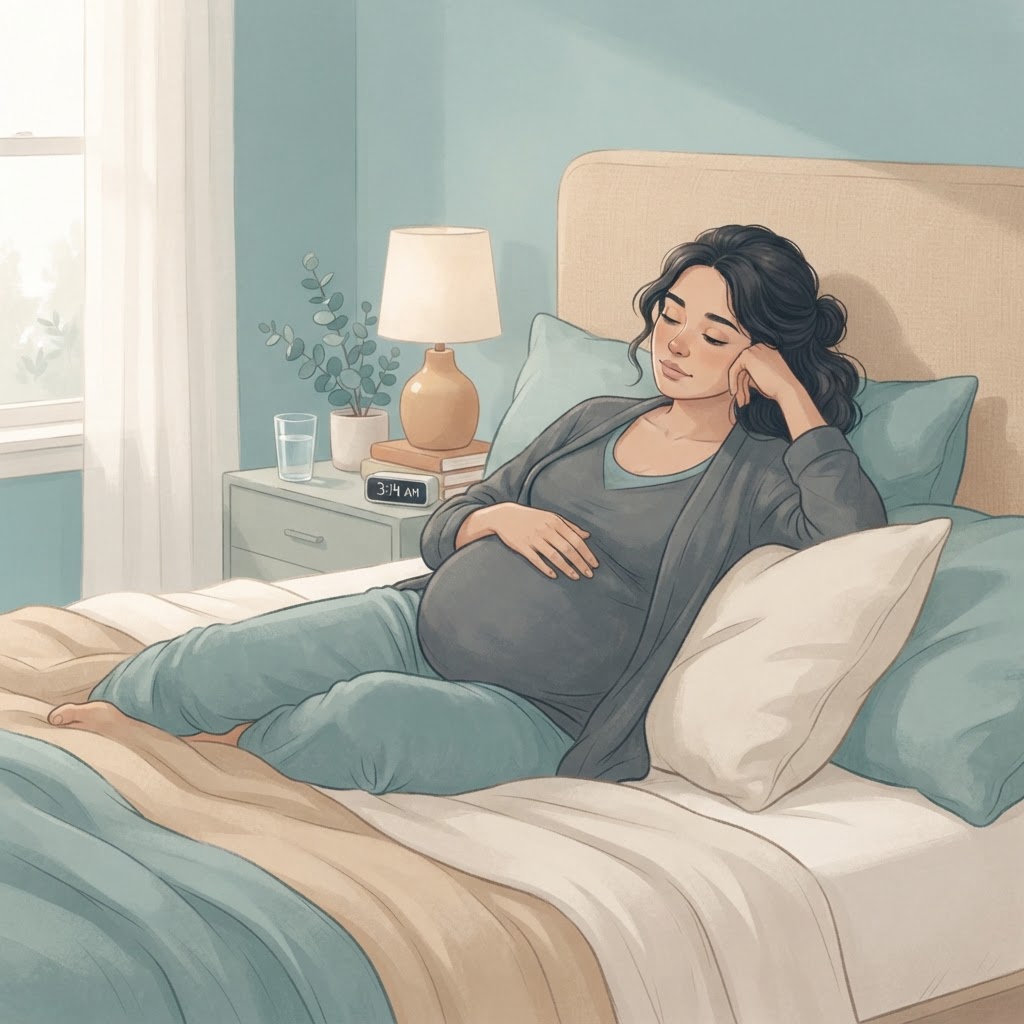
Pregnancy transforms sleep. Hormonal shifts, physical discomfort, frequent urination, restless legs, and anxiety about the baby can all disrupt rest across the three trimesters. Sleep in pregnancy matters — for the parent's health and the baby's — and there are practical ways to protect it through each stage.

Common Causes

  • Hormonal changes, especially rising progesterone, that fragment sleep and cause daytime sleepiness.
  • Physical discomfort — back pain, heartburn, and a growing belly — that makes positioning difficult.
  • Frequent urination from pressure on the bladder and increased fluid intake.
  • Restless legs syndrome, which is more common and often worsens in pregnancy.
  • Anxiety about the baby, birth, or the transition to parenthood.

What You May Be Experiencing

  • Difficulty falling or staying asleep, especially in the third trimester.
  • Frequent nighttime waking to urinate.
  • Physical discomfort that makes finding a sleep position difficult.
  • Daytime fatigue that can be profound, especially in the first and third trimesters.
  • Restless legs or leg discomfort that worsens in the evening.

Dr. Morse's Approach

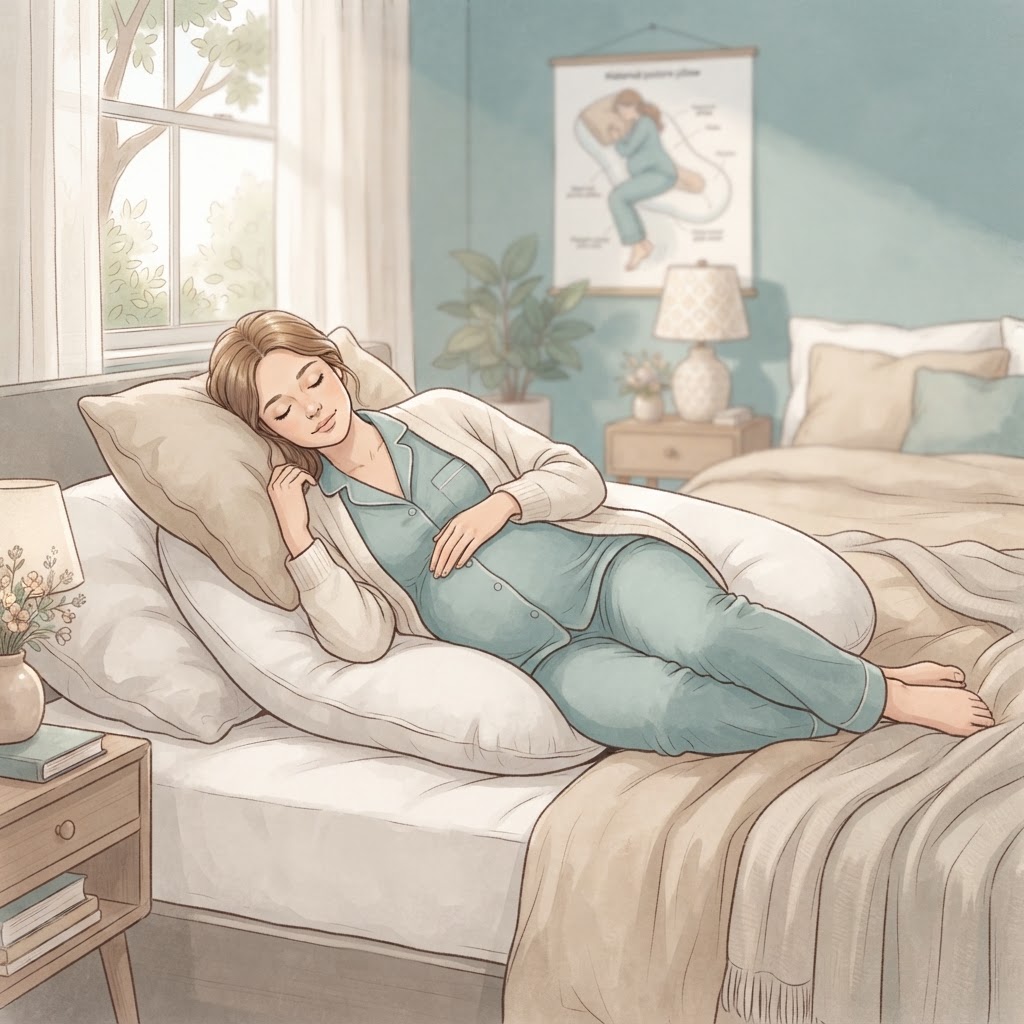
Dr. Morse approaches pregnancy sleep with attention to both comfort and safety. She helps with positioning (left-side sleeping is generally recommended in later pregnancy), addresses heartburn and nocturia practically, and screens for restless legs — checking iron status, which is both common and correctable in pregnancy. She is attentive to mood and anxiety, and she is clear that severe sleep disruption or signs of sleep apnea in pregnancy deserve evaluation, not endurance.

Treatment Options

Behavioral

Position support with pillows, a calming wind-down, and a consistent sleep schedule.

Lifestyle

Managing fluids earlier in the day, treating heartburn, and gentle exercise.

Medical

Iron assessment for restless legs; evaluation for sleep apnea if snoring or other signs emerge.


Your Night-time Routine

A practical, step-by-step wind-down built around this concern's specific drivers. Follow it consistently for two to three weeks — rhythm, not perfection, is what resets sleep.

  1. 1
    6:00 PM

    Begin tapering fluids to reduce nighttime urination, while staying well-hydrated through the day.

  2. 2
    7:00 PM

    A light, early dinner to reduce heartburn; avoid reflux triggers.

  3. 3
    8:00 PM

    A calming wind-down; gentle stretching if restless legs are an issue.

  4. 4
    9:00 PM

    Use pillows for side-sleeping support and belly/back comfort.

  5. 5
    9:30 PM

    Lights out; if you wake to urinate, keep lights dim and return to sleep calmly.

Take this guide home

A printable PDF of this concern's full overview, routine, and treatment options.


Related Articles


When to Seek Help

If sleep disruption in pregnancy is severe, or if you develop loud snoring, breathing pauses, high blood pressure, or significant mood changes, seek evaluation promptly. Sleep apnea and mood concerns in pregnancy deserve clinical attention.

Ready for personalized guidance?

Dr. Morse offers one-on-one and group coaching to help you move from understanding your sleep concern to changing it. Share what you're experiencing and she'll be in touch.

Request a Coaching Consultation
DAMMGoodSleep

Evidence-based sleep and circadian health and wellness delivered by Dr. Anne Marie Morse. Restorative protocols, expert guidance, and curated resources that power your day and night. Because DAMM Good Sleep is always in style!

Credentials

  • Board Certified in Sleep Medicine
  • Fellow, American Academy of Sleep Medicine
  • Diplomate, American Board of Neurology
  • 10+ Years Clinical Practice

Contact

  • contact@dammgoodsleep.com
  • (570) 290-7389
  • Pennsylvania

© 2026 DAMMGoodSleep. All rights reserved.