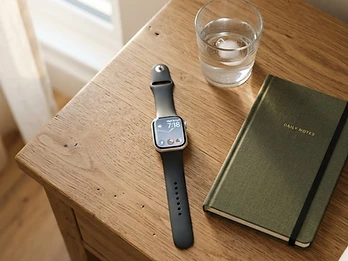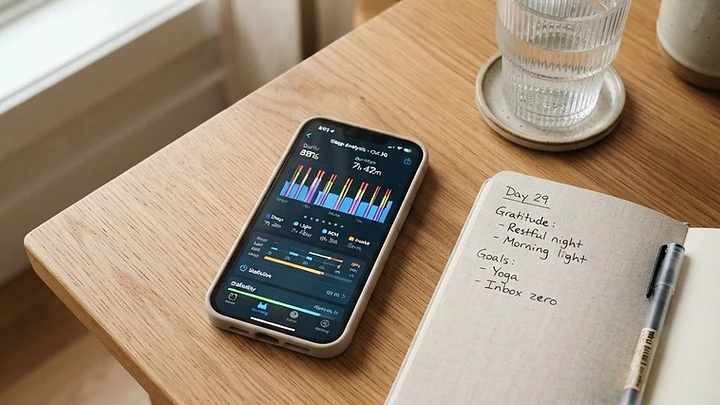
In my clinical practice, I am increasingly seeing patients who arrive with detailed graphs and charts printed from their smartwatches or rings. While the curiosity to understand one’s own biology is laudable, it is essential to distinguish between clinical-grade diagnostics and consumer-grade tracking. Wearables are powerful tools for awareness, but they are not a substitute for medical evaluation when sleep disorders are suspected.
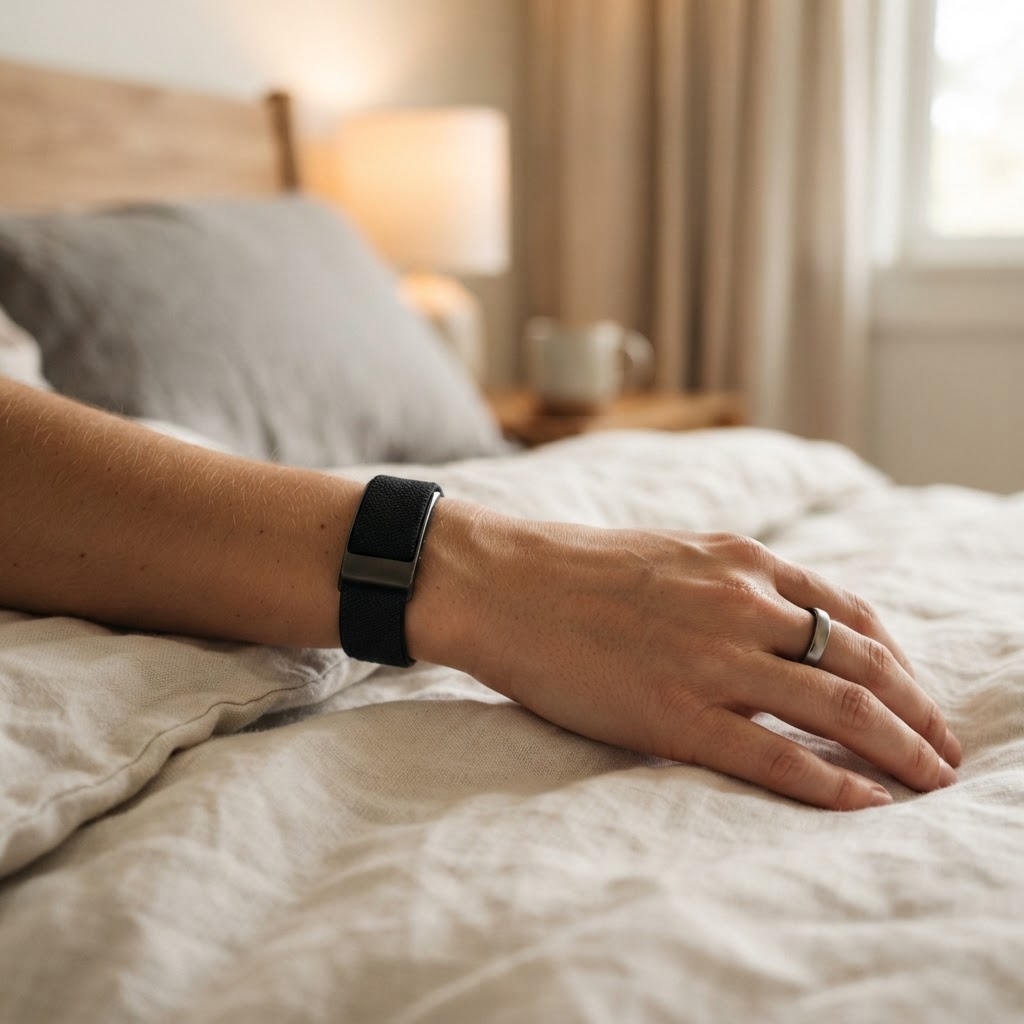
Understanding What Wearables Actually Measure
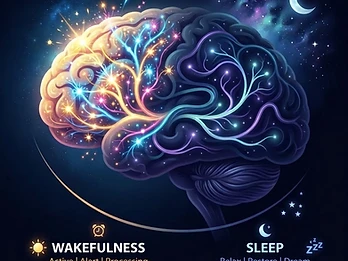
Most consumer wearables utilize actigraphy—tracking movement—combined with photoplethysmography (PPG) to measure heart rate and heart rate variability (HRV). By monitoring these metrics, devices estimate sleep architecture, including the transition between light, deep, and REM sleep. While these sensors have become significantly more accurate, it is important to remember that they are estimating based on peripheral signals, not the gold-standard polysomnography used in a sleep laboratory, which measures brain waves via EEG.
The most valuable data point a wearable provides is not a 'sleep score,' but the consistency of your sleep-wake schedule.
The Risk of 'Orthosomnia'
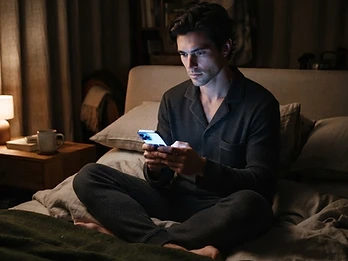
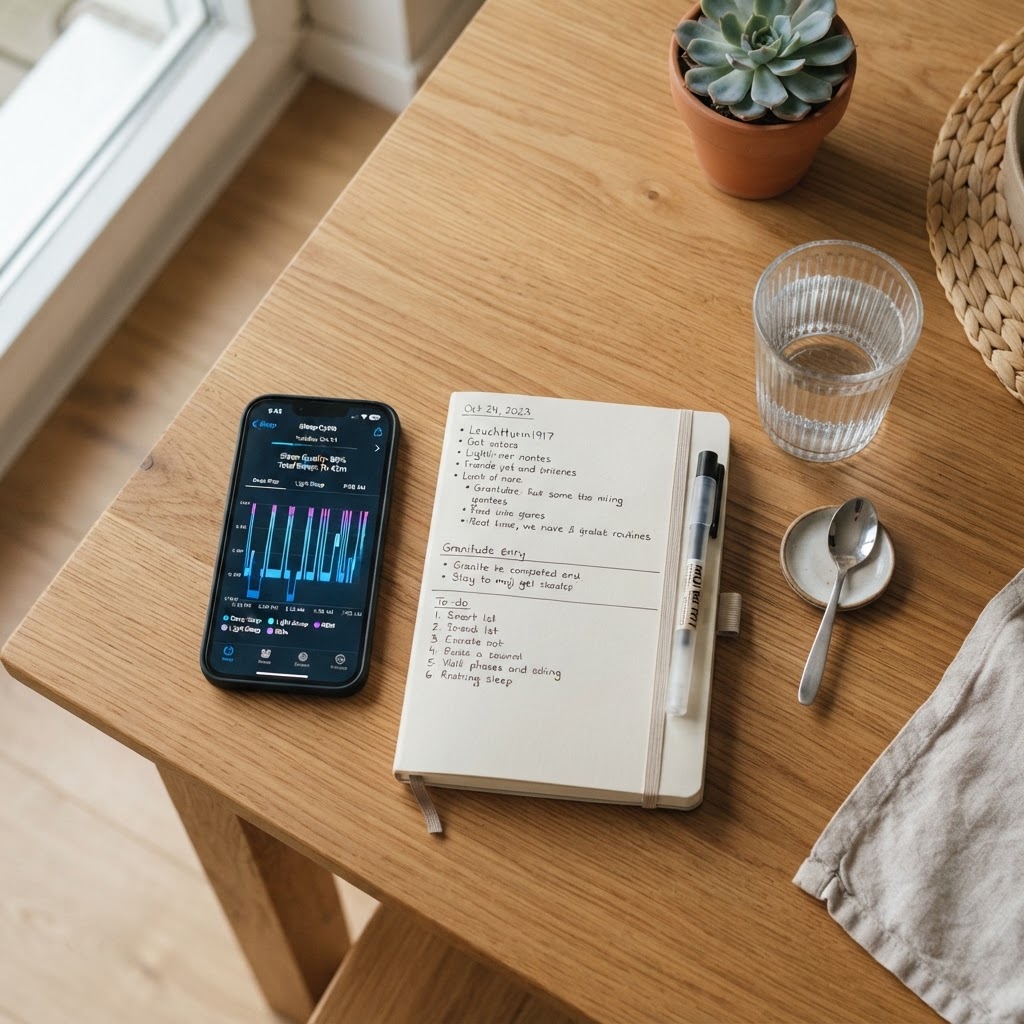
As a specialist, I often see patients develop orthosomnia—a term we use to describe a preoccupation with achieving 'perfect' sleep data. When the stress of trying to improve a device's score begins to interfere with your actual ability to fall asleep, the tool has become counterproductive. I encourage my patients to view their data as a trend report rather than a scorecard. Daily fluctuations are normal; it is the long-term pattern that tells the real story of your sleep health.
How to Use Your Data as a Partnership
Instead of hyper-focusing on the duration of your REM cycles, use your wearable to identify external triggers that impact your rest. Consider these actionable ways to utilize your device:
- Correlate Lifestyle Factors: Look for patterns between late-night meals, alcohol consumption, or high-intensity exercise and your nocturnal HRV.
- Validate Your Feeling: If your device shows a poor night but you feel refreshed, trust your body first. If your device shows poor sleep and you feel exhausted, use that data to initiate a conversation with your primary care provider.
- Prioritize Circadian Alignment: Use the wake-up time data to ensure you are maintaining a consistent rise time, which is the most effective way to anchor your circadian rhythm.
When to Seek Professional Consultation
Wearables are excellent for identifying the existence of a problem, but they are rarely the solution for complex issues. If your tracker consistently shows frequent wake-ups, irregular breathing patterns, or significant snoring, it is time to transition from self-monitoring to clinical care. A board-certified sleep specialist can order the appropriate diagnostic studies to rule out conditions like sleep apnea or restless leg syndrome, which wearables are not equipped to diagnose.
Ultimately, the goal of sleep technology should be to empower you, not to burden you with unnecessary anxiety. Use your data to build healthier habits, listen to the biological signals your body provides, and never hesitate to seek expert medical guidance when your rest feels out of reach.