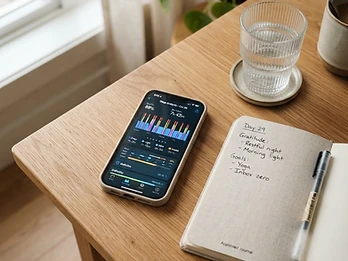
In my clinical practice, I am increasingly greeted by patients arriving with screenshots from their wearable devices, worried about a 'low sleep score' or a perceived lack of REM sleep. While consumer sleep technology (CST) has provided us with an unprecedented window into our nightly cycles, it is vital to remember that these devices are tools for awareness, not clinical diagnostic instruments. Understanding how to interpret this data is the first step toward reclaiming your rest.
The Signal vs. The Noise: Defining Clinical Relevance
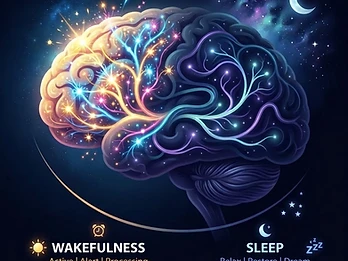
Most consumer wearables rely on actigraphy and heart rate variability (HRV) to estimate sleep stages. While these devices are impressive feats of engineering, they cannot replicate the gold standard of sleep medicine: the polysomnogram (PSG), which measures brain waves, eye movements, and muscle activity. When reviewing your data, it is important to focus on trends rather than single-night fluctuations.
The most valuable metric isn't the precise percentage of 'deep sleep' your watch claims you had, but rather how you feel when you wake up in the morning.
I encourage my patients to look for consistency in their:
- Sleep onset latency: Are you consistently taking longer than 30 minutes to fall asleep?
- Total sleep time: Does the data align with your daytime energy levels?
- Circadian regularity: Are your bedtimes and wake times stable across the week?
The Paradox of Orthosomnia
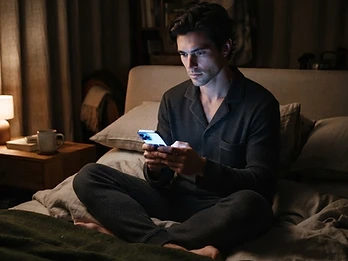
There is a growing phenomenon we call orthosomnia—a perfectionistic obsession with achieving 'perfect' sleep statistics. When the pressure to get a 'high score' from your tracker begins to cause anxiety, your sleep quality will inevitably suffer. The device meant to help you improve your rest may actually be perpetuating a state of hyperarousal. If you find yourself checking your sleep data in the middle of the night, it is time to reassess your relationship with your technology.

How to Use Your Data as a Clinical Partner
Rather than letting a device dictate your mood, use it as a collaborative tool. If your wearable consistently shows a high number of awakenings or suggests a trend of snoring, these are legitimate conversation starters for your doctor. Keep a log of your daytime sleepiness alongside your wearable data to provide a more holistic picture of your health.
- Keep a diary: Note your caffeine intake, physical activity, and stress levels alongside your device's report.
- Filter the metrics: Focus on the big picture trends over a 7-to-14 day window.
- Consult a professional: If data shows chronic disruption, use that as evidence to seek a clinical evaluation rather than trying to 'fix' the numbers with more gadgets.
Ultimately, your sleep is a reflection of your overall well-being. Technology should empower you to make healthy lifestyle choices, not tether you to a screen. If your data feels overwhelming, it is always a sound clinical decision to silence the notifications and reconnect with your own body's natural rhythms.