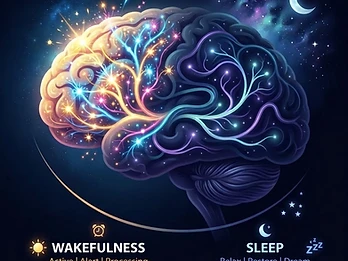
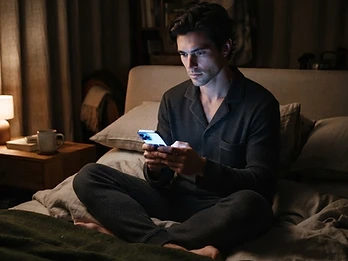
In my clinical practice, I often remind patients that our bodies were not designed for the modern 24/7 landscape. At our core, we are governed by the circadian rhythm—a complex, internal biological clock that regulates nearly every physiological process, from hormone production and digestion to body temperature and alertness. When this clock falls out of sync with our environment, the impact extends far beyond simple fatigue.

Understanding the Master Clock
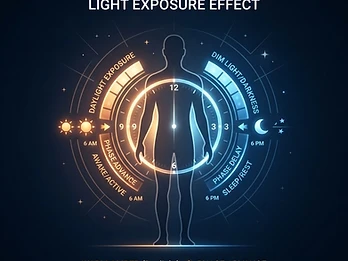
The master clock is located in the suprachiasmatic nucleus (SCN) of the hypothalamus. It receives direct input from the retina, translating environmental light signals into biological commands. Light is the primary zeitgeber, or time-giver, that tells your brain when to be alert and when to begin secreting melatonin to prepare for sleep. When we are exposed to excessive artificial light—particularly blue-spectrum light from screens—late into the evening, we effectively send conflicting signals to the SCN, shifting our biological phase and delaying the onset of restorative sleep.
The Impact of Circadian Misalignment
Chronic misalignment between our internal clock and our lifestyle choices is more than just a nuisance; it is a clinical concern. Disruptions have been linked to increased inflammation, impaired metabolic function, and mental health challenges.
The goal is not to force your body into a rigid schedule, but to create the environmental consistency necessary for your biological systems to thrive.
Common indicators of circadian drift include:
- Persistent difficulty falling or staying asleep despite sufficient opportunity.
- Significant mood fluctuations or increased irritability.
- Afternoon energy slumps that require excessive caffeine.
- Digestive issues or metabolic fluctuations.
Practical Strategies for Alignment
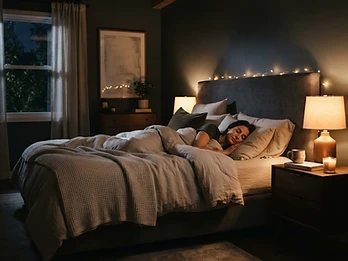
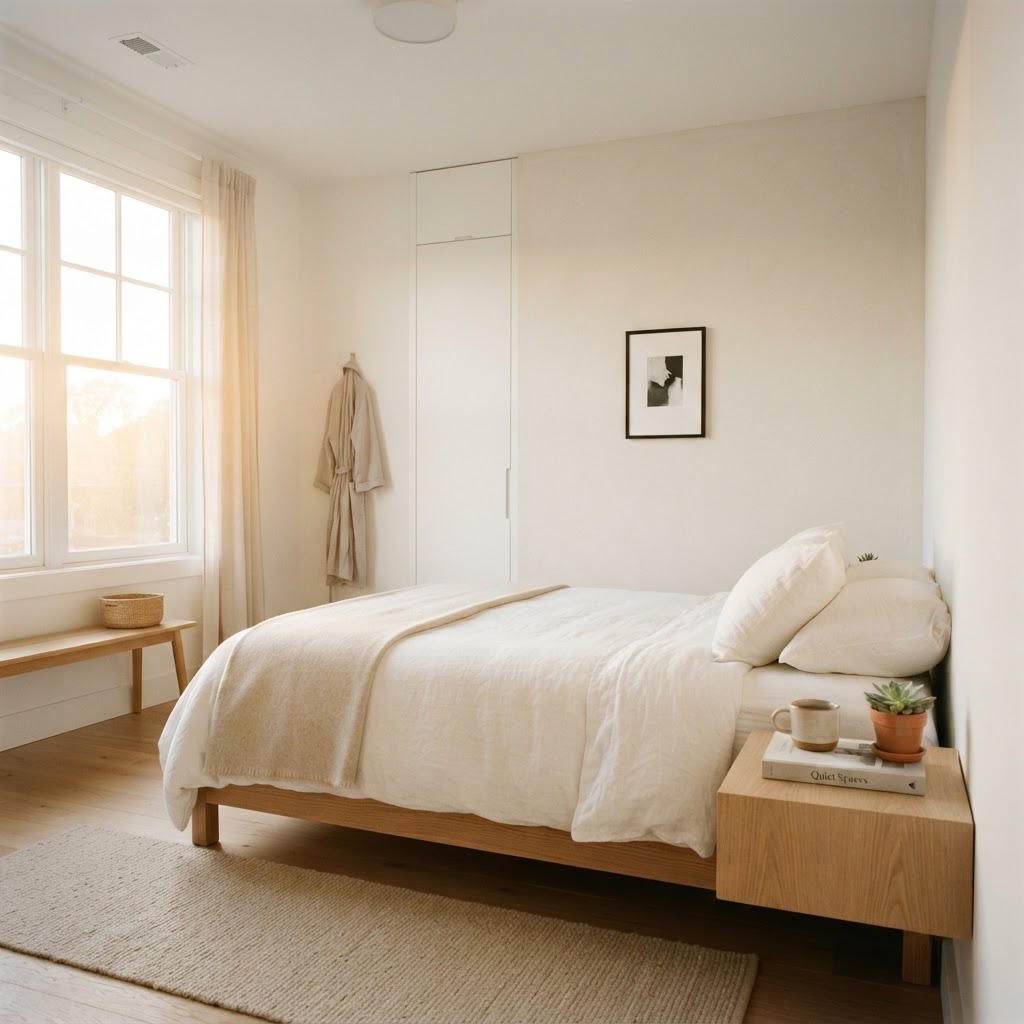
Aligning your rhythm requires intentionality. Start by prioritizing morning light exposure; stepping outside within 30 minutes of waking can help anchor your SCN. Equally important is the management of light in the evening. Aim to dim your home environment two hours before your desired bedtime, replacing bright overhead lights with warmer, lower-intensity sources. Establishing a consistent wake time, even on weekends, is the single most effective tool for stabilizing the internal clock.
When to Seek Professional Support
If you have implemented consistent sleep hygiene and light exposure strategies for several weeks without improvement, or if your sleep disturbances are accompanied by severe mood changes or health concerns, it is time to consult a board-certified sleep specialist. We utilize tools like actigraphy and clinical sleep assessments to identify underlying issues such as circadian rhythm disorders or sleep apnea, ensuring you receive a tailored approach to health. You do not have to navigate these challenges alone; your sleep health is a foundational pillar of your overall quality of life.