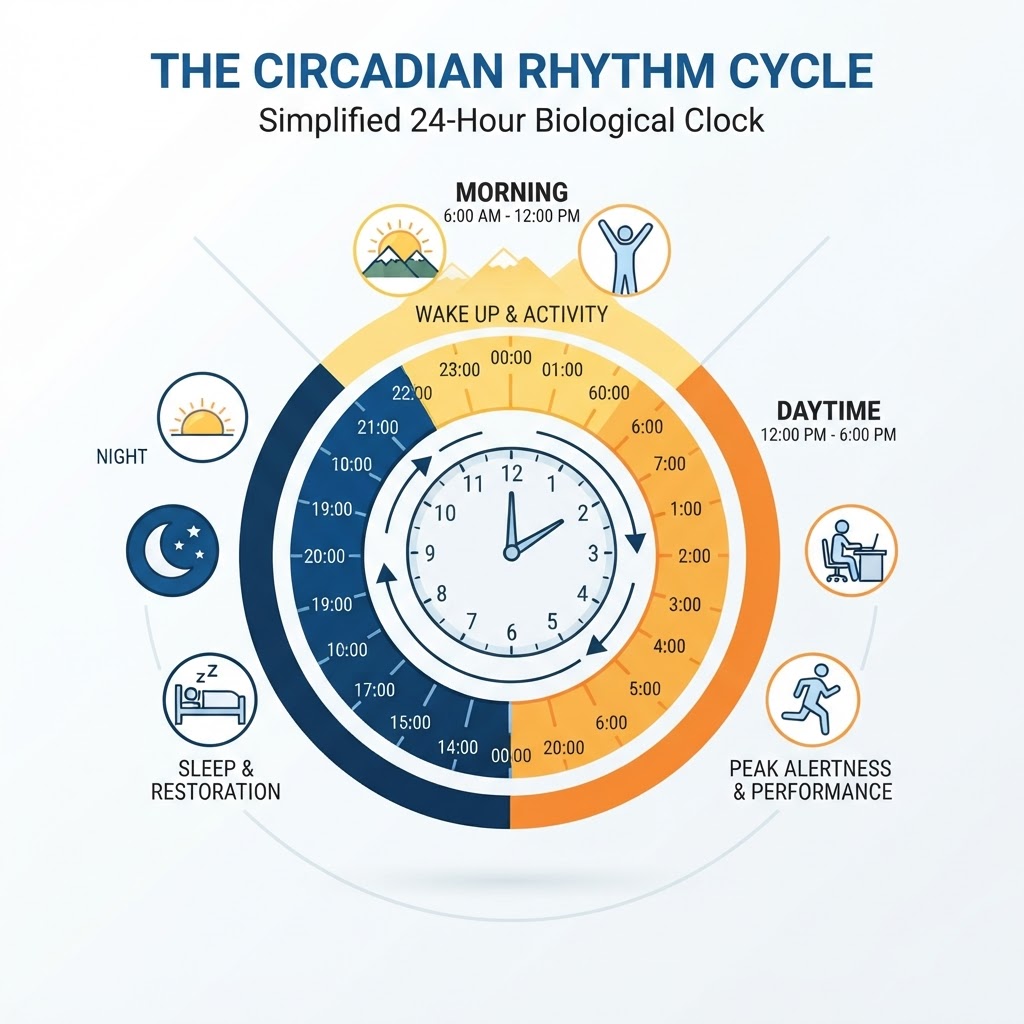
As summer draws to a close, the transition to a school-year schedule often feels like a daunting mountain to climb. Many parents focus exclusively on shifting bedtime earlier, yet they often find their children lying awake, frustrated and restless. From my perspective as a neurologist and sleep medicine specialist, the key to a successful transition lies not just in the evening, but in the morning.

The Science of Sleep Pressure
To understand why mornings are the secret weapon, we must look at the homeostatic sleep drive—often described as our biological 'sleep hunger.' Throughout the day, a neurochemical called adenosine accumulates in the brain. The longer we are awake and active, the higher our adenosine levels climb, creating the pressure that allows us to fall asleep and stay asleep. If a child sleeps late into the morning, they effectively 'snack' on sleep, leaving their adenosine levels too low to support a prompt bedtime in the evening.
The Morning Anchor: Setting the Clock
The most effective way to shift a circadian rhythm is by fixing the morning wake time. Your child's internal clock is heavily influenced by light exposure and physical activity immediately upon waking. By consistently waking your child at their required school-year time—even on weekends—you accomplish two things:
- You signal to the brain that the day has officially begun, suppressing melatonin production.
- You maximize the 'wake window,' ensuring that by the time evening arrives, there is sufficient sleep pressure to make falling asleep effortless.
By prioritizing a consistent wake-up time, you are building the foundation of sleep health upon which all academic and emotional success is built.
Practical Strategies for a Smooth Shift
Shifting a schedule should be a gradual, intentional process. Rather than attempting a drastic three-hour change overnight, I recommend a incremental approach. Try waking your child 15 to 30 minutes earlier every two days during the final week before school starts. Complement this by ensuring they have exposure to bright light immediately upon waking and limiting blue-light-emitting screens at least an hour before the target bedtime.
It is also vital to keep the morning environment engaging. Encourage a breakfast with protein or a brief walk outside. This combination of morning light and movement acts as an anchor for the circadian system, telling the body exactly when to be alert and when to begin preparing for the next night's rest.
When to Seek Professional Support
If you have implemented these shifts and still observe significant struggles—such as extreme morning irritability, prolonged sleep latency, or excessive daytime sleepiness that interferes with daily function—it may be time to consult with a board-certified sleep specialist. Underlying conditions like delayed sleep-wake phase disorder or other sleep-related breathing or movement issues can mimic typical back-to-school fatigue. Remember, you are your child’s best advocate; when in doubt, reach out to your pediatrician or a sleep clinic to ensure there are no clinical barriers to your child reaching their full potential.