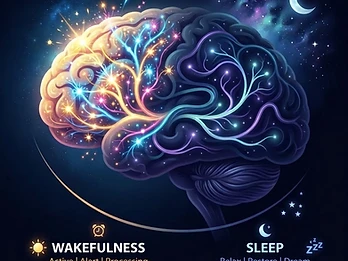
When patients walk into my clinic, they often describe insomnia as a simple 'switch' that refuses to turn off. In reality, insomnia is a dynamic and complex neurological condition characterized by a state of persistent hyperarousal. It is not merely a behavioral choice or a lapse in 'sleep hygiene,' but a physiological state where the brain remains stuck in a heightened mode of processing, even when the lights are low and the day is done.
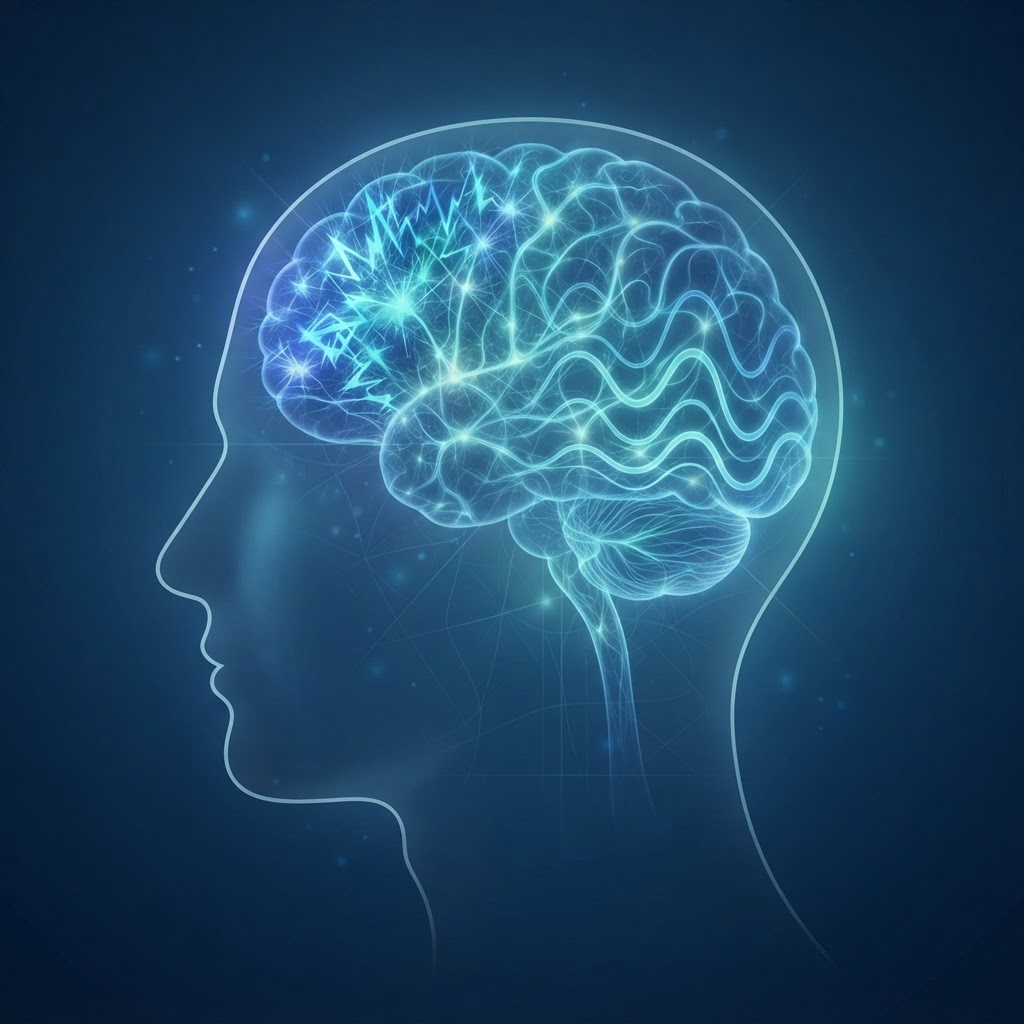
The Hyperaroused Brain: Why You Cannot 'Just Relax'
At the center of insomnia lies the concept of cortical hyperarousal. Under normal conditions, the brain effectively transitions between the high-frequency beta waves of wakefulness and the slower, rhythmic oscillations of sleep. For someone with insomnia, these transitions are impaired. Studies using functional neuroimaging have shown that individuals with chronic insomnia exhibit increased metabolic activity in the brain during both wakefulness and sleep.
- Increased metabolic activity: Even while asleep, the brains of those with insomnia often show higher activity in the amygdala and prefrontal cortex.
- Faulty 'Off' Switch: The network of neurons responsible for sleep onset fails to suppress the waking networks, keeping the brain in a state of vigilant 'readiness.'
- Emotional Processing: Heightened activity in the limbic system can exacerbate the anxiety associated with failing to fall asleep, creating a vicious cycle of physiological feedback.
Insomnia is not a lack of effort; it is a neurological state where the brain’s arousal systems remain stubbornly tethered to the waking experience.
The Role of Neurotransmitters and Sleep-Wake Regulation
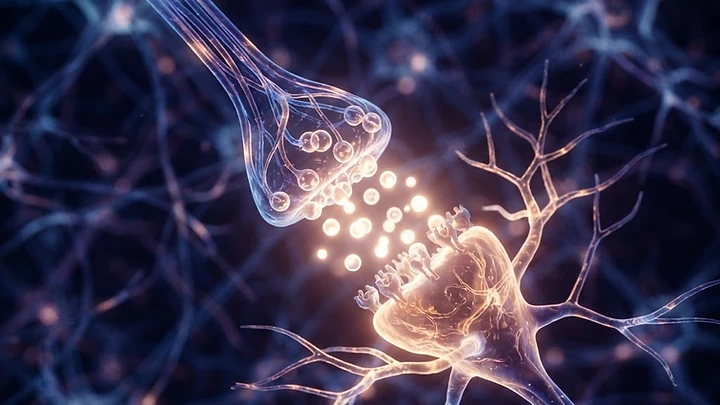
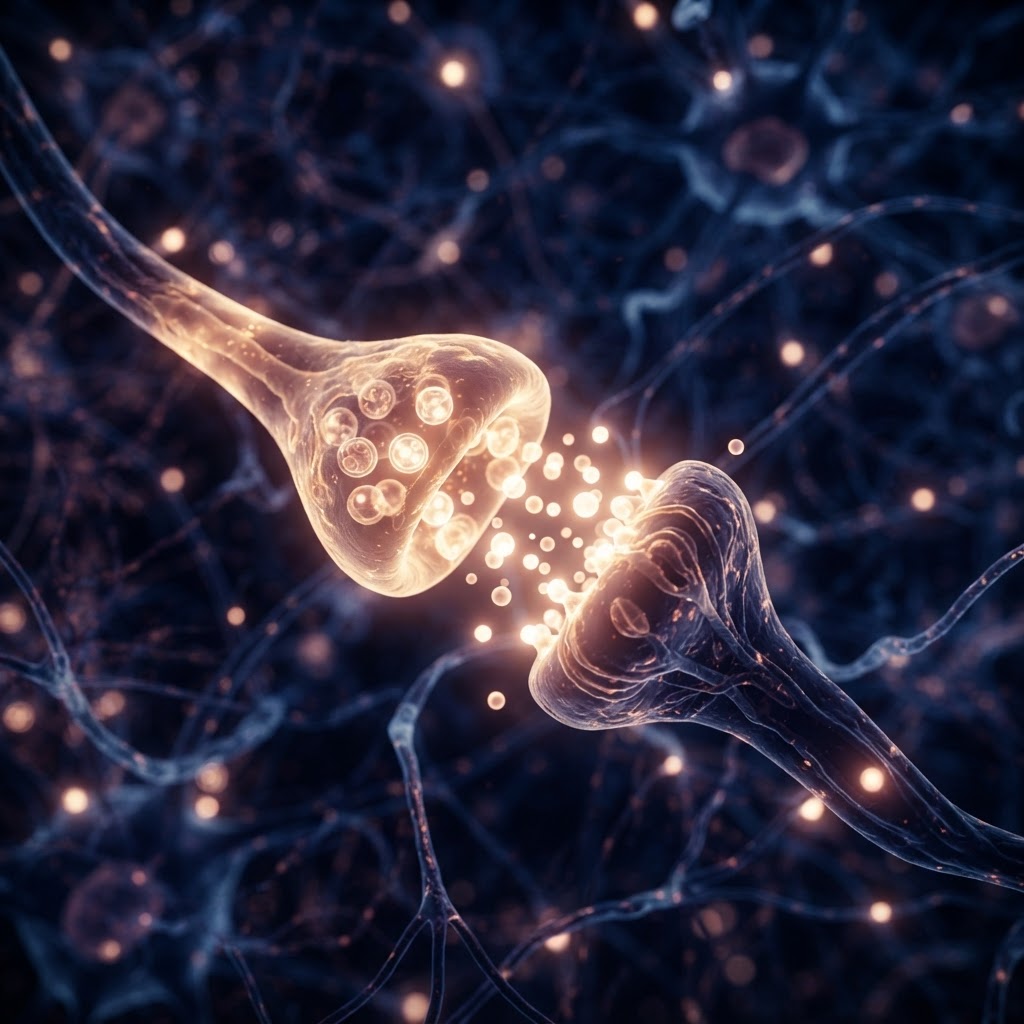
Sleep is a delicate dance of neurochemistry. We rely on the gabaergic system—the brain's primary inhibitory 'brake'—to quieten neural activity. Conversely, we utilize excitatory neurotransmitters like orexin and histamine to maintain alertness. In insomnia, there is often an imbalance. When the inhibitory brakes are not strong enough to counteract the excitatory signals, the brain remains trapped in a state of high-alert, making the transition into the NREM (non-rapid eye movement) stage nearly impossible.
Shifting the Narrative Toward Clinical Empowerment
I often tell my patients that understanding the mechanism of their insomnia is the first step toward reclaiming their rest. Because insomnia is rooted in the neurological architecture of your brain, it requires more than just 'trying harder' to sleep. Cognitive Behavioral Therapy for Insomnia (CBT-I) is the gold standard not because it is a simple relaxation technique, but because it is a neurological re-training program. By utilizing behavioral interventions, we essentially teach the brain to associate the bedroom environment with sleep rather than arousal, gradually shifting the neurobiological set-point.
If you find that your sleep difficulties are persistent, distressing, or impacting your daily quality of life, please reach out to a sleep medicine specialist. You do not have to navigate the complex architecture of insomnia alone. With the right clinical approach, we can quiet the hyperaroused brain and restore the restorative power of sleep.